

Virtues in Leadership

Rose-Marie Boylan
BSc. Master's in Leadership Studies & Coach
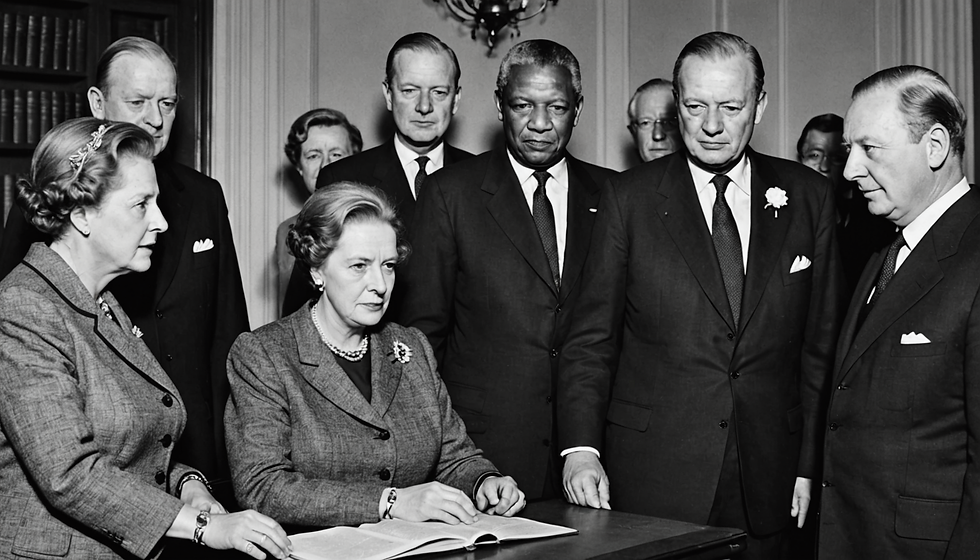
Virtuous Leadership in Iconic Figures
Not all leaders are perfect. The leader sets the tone for social progress and role modelling. Followers behave like the leader. Rarely are we seeing virtues displayed in leaders or even celebrated.
It is important that we bring virtues back to leadership and management. Moreover, it is important that we coach on virtues to ensure future managers and leaders know what good behavior is and is not. The law is the lowest level of morality.
Following the law does not make you virtuous. Working on virtues requires a level of character and brain development that is on a much higher level which we can measure using instruments in developmental psychology. Virtues are much further along the spectrum of moral excellence and few master all virtues in leadership or in life. Suffice to say, we should be training children as young as 5 years old on virtues as their brains are developing neurologically to create a better society and better future leaders. We should also be coaching adults and existing leaders on virtues and how to act on them in speech, action and writing.
There are different categories of virtues which I will discuss when I discuss morality in leadership at a later date. Different cultures may have different virtues. For leadership I have chosen a set that I believe are relevant to these chosen iconic leaders, some apply, some do not. It is important to understand, rarely can a leader excel at all virtues in a lifetime and still be an outstanding leader. Leadership requires making tough decisions that make you unlikeable at times, being able to manage these decisions with virtues is mastery.
"Follow the Leader" Ideology
A leader leads. That means they set the standard and example for all others to follow. If they commit crimes then everyone will commit crimes. If they lie, then everyone will think lying is ok. Just because a behavior of deviance is concealed or hidden from the public does not make it right when it is fundamentally wrong.
When I was leading teams it was very clear that the leader sets the tone. I always made it clear to all team members what was acceptable and what was not. What was right and what wrong. We even had team retreats and built a charter on our team values to hold all team members accountable to our values and virtues. And we had the best sales and won the award for best team. No one is going to tell me that being ethical and virtuous does not lead to sales and profits.
Historical & iconic leaders that displayed virtues
There have been some historical and iconic leaders that displayed virtues and they will never be forgotten. Some were better than others and some showed forms of perfection in history. Below are some of those examples. I chose a few I knew had demonstrated behaviors of virtuous leadership at some point in time. In the last 20 years I have built a model for leadership where standards for leadership could be measured and trained on. This included a Master's in Leadership Studies reviewing the best models in psychology and consciousness. The only models that stood the test of time were in humanistic and developmental psychology.
The iconic leaders who demostrated virtuous leadership that could teach leaders today honourable traits and skills included; Elizabeth 1, Queen of England, Margaret Thatcher, Mahatma Gandhi, Nelson Mandela and Sir Winston Churchill. There are others as I have carefully dissected most iconic leaders.
Virtues demonstrated in Iconic Leaders and how
Main Virtues
When we look at virtues, how can they be measured? They are measured by actions and behaviors. That is because thoughts are private, and 98% of human thoughts are useless, repetitive and circular. In a leader, we must assess decisions, actions and behaviors to determine whether virtues were at play. There are a number of virtues that we all strive to mimic. However, they are meaningless unless they translate into behavior and influence. Here are the virtues. It is important to note also there are different categories of virtues. I will try to demonstrate these virtues with the actions of specific iconic leaders in history so we can see how virtues turn mere talk into action. Specifically how a leader walks the talk on virtuous leadership.
Wisdom
Courage
Justice
Temperance
Compassion
Integrity
Humility
Gratitude
Iconic leaders in history selected to display virtous leadership actions
Elizabeth 1 was quite the leader and I will dive in further on her at a later date especially her speeches. She never married and she was the daughter of Anne Boleyn and Henry the 8th. She was an Iconic leader matchless in history. Iconic leaders such as Elizabeth I, Gandhi, Nelson Mandela, Margaret Thatcher, and Sir Winston Churchill exemplified virtuous leadership through their decision-making processes. Their approaches not only shaped their nations but also left a lasting impact on the world. There are many virtues but how they are expressed in leaders is more important than what they are.
Here’s how each of these leaders applied virtuous leadership to generate meaningful results for the people:
Elizabeth I
Visionary Leadership: Elizabeth I navigated a male-dominated society, establishing herself as a strong monarch. Her vision for a united England helped stabilize the nation at a time when turmoil and divisiveness prevailed.
Diplomatic Acumen: She skillfully managed foreign relations, particularly with Spain and France, ensuring peace and economic stability.
Promotion of the Arts: By supporting the arts, she fostered a cultural renaissance, enhancing national pride and unity.
Gandhi
Nonviolent Resistance: Gandhi's commitment to nonviolence and civil disobedience inspired millions to fight for independence without resorting to violence.
Empowerment of the Masses: He emphasized grassroots involvement, encouraging ordinary people to participate in the struggle for independence.
Focus on Ethical Living: Gandhi advocated for self-sufficiency and ethical consumption, promoting a sustainable and equitable society.
Nelson Mandela
Reconciliation: Mandela's emphasis on forgiveness and reconciliation post-apartheid helped heal a divided nation and fostered unity.
Advocacy for Justice: His leadership focused on dismantling systemic inequalities, promoting human rights for all South Africans.
Global Inspiration: Mandela's moral courage and commitment to justice inspired movements worldwide, making him a symbol of resistance against oppression.
Margaret Thatcher
Decisive Action: Thatcher's strong leadership during economic crises demonstrated her commitment to revitalizing the British economy through bold reforms.
Promotion of Individualism: She championed free-market policies, advocating for personal responsibility and entrepreneurship, which empowered many citizens.
Strong International Stance: Her assertive foreign policy strengthened Britain’s position on the global stage, especially during the Cold War.
Sir Winston Churchill
Inspirational Communication: Churchill's speeches during World War II rallied the British people, instilling hope and resilience in the face of adversity.
Strategic Decision-Making: His ability to make critical decisions under pressure was pivotal in leading Britain to victory in the war. He had a fearless boldness that could not be outsmarted.
Advocacy for Democracy: Churchill's staunch defense of democratic values against totalitarianism inspired nations to uphold freedom and justice.
In summary, these leaders applied virtuous leadership principles—such as integrity, empathy, and commitment to the common good—resulting in significant and meaningful outcomes for their nations and the world. Their legacies continue to inspire future generations of leaders.


Comments